
From Owner-Occupier to Tenant Advice
Learn how to become a tenant after owning your own home
Transitioning from being a homeowner to a tenant
Perhaps you’ve recently sold your house and need temporary accommodation before your next move. This situation could arise because you’re building your dream house, or you’ve relocated from another state and require time to determine the best suburb for your new home. It’s possible that you’ve separated from your partner, and living together is no longer conducive to your well-being. Regardless of the circumstances, you’ll soon realize that the shift from owner-occupier to tenant is more challenging than anticipated.
You might assume that having a stable financial situation (presumably from the sale of your property) automatically puts you ahead of the crowd. Unfortunately, this is not always the case. That’s where my website comes in—to provide you with answers regarding the obstacles you may face when renting a property and to expedite the time-consuming process of searching, inspecting, and applying for a rental.
It’s crucial to be aware that the rental application process begins with the first property inspection, not when filling out the application itself. The inspection is the perfect opportunity to make a good impression, as it may be your only chance to meet the future property manager face-to-face. Keep in mind that the inspection is like a job interview!
Open Inspection
Choosing a tenant starts during the inspection. The property manager’s role is not limited to showing you the property; they also observe and assess you, providing feedback to the owner regarding your behavior, appearance, and communication skills. These observations serve a purpose beyond superficial judgment. The property manager acts as a detective, trying to uncover the following:
Respect for the Property
During the inspection, the property manager will assess how you behave, looking for signs of respect towards the property. They’ll observe if you handle things with care, refrain from damaging or touching any belongings, and follow specific instructions or guidelines.
Communication Skills
Effective communication is essential in any rental agreement. The property manager will evaluate your communication skills during the inspection—how well you listen, ask relevant questions, and engage in polite and professional conversation. Clear and respectful communication helps build trust and leaves a positive impression.

Reliability and Punctuality
Property managers value tenants who are reliable and punctual. They’ll notice if you arrive on time for the inspection and promptly follow any instructions or requests. Demonstrating reliability during the inspection can increase your chances of being viewed as a trustworthy tenant.
Personal Presentation
Although it may seem superficial, your appearance can leave an impression on the property manager. Dressing appropriately and presenting yourself well shows that you take the rental process seriously, conveying professionalism and responsibility.
Compatibility with the Property
Property managers consider whether you’re a good fit for the property and its intended use. They’ll assess your lifestyle, family size, and specific requirements you may have. For instance, if you have pets, they’ll evaluate if the property is suitable for them. Demonstrating an understanding of the property’s suitability during the inspection can improve your chances of being considered as a suitable tenant.
Financial Capability
While a stable financial situation can provide an advantage, property managers still assess your financial capability during the inspection. They may discuss your employment status, income, and ability to pay rent on time. Being prepared with relevant documentation, such as pay slips or bank statements, can help demonstrate your financial stability.
Overall Impression
The property manager forms an overall impression of you as a potential tenant during the inspection. This includes considering factors such as your demeanour, behaviour, and additional observations made. A positive overall impression can make a difference when competing with other applicants
Understanding these areas of focus will help you prepare for the property inspection and increase your chances of making a favourable impression. Additionally, maintaining politeness, respect, and preparedness throughout the rental application process can further enhance your prospects of successfully transitioning from an owner-occupier to a tenant
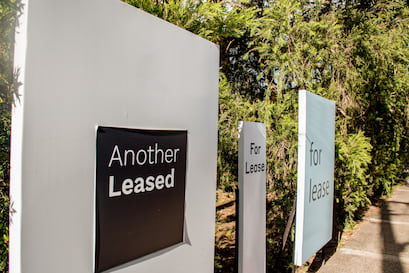
Main challenges in applying for a rental property
Unfortunately, for most property managers, ex-owner-occupiers are often considered difficult tenants who create additional work. To put it bluntly (please note that this is not my opinion), most (though not all) property managers believe that homeowners-turned-tenants can be demanding, short-term occupants with scattered priorities.
Moreover, ex-owner-occupiers generally disregard the importance of rental references. When it comes to rent payments, they have a forgetful nature, not to mention their lack of effort in preparing the property for routine inspections or the final exit inspection. In fact, they view routine inspections as an invasion of their privacy.
On the other hand, individuals who have been lifelong renters exhibit a different attitude. These tenants take the time to enhance the rental property by adding their personal touch, making it cozy, comfortable, and aesthetically pleasing. They demonstrate care, and their priorities revolve around their living environment. Routine inspections provide them with an opportunity to showcase their efforts.
Having read this, you may now understand why, given the choice between two rental applications—yours as an ex-owner-occupier and another from a potential long-term tenant—the property manager might present your application in a less favourable light. But fear not! Keep reading to discover how you can prevent this from happening.
Let’s delve deeper into the ins and outs of open house inspections. This knowledge will help you raise the stakes and become more adept at playing the rental game.
Communication and Behaviour at open house inspection
One common trap that many ex-owner-occupiers fall into is related to their behaviour and communication during property inspections. It’s natural to feel confident due to your past property ownership and financial security. However, this confidence often comes across as arrogance and overconfidence, which are common characteristics of difficult tenants.
Remember that until the lease is signed, you are not yet the approved tenant. Therefore, refrain from pointing out faults or expressing disapproval of the property’s layout, missing features, or mismatched colours. Your comments will be heard not only by the property manager but also by other potential tenants, influencing their perception of the property.
Keep in mind that everything you say has a ripple effect. While you may not appreciate a particular property and may not care whether you rent it or not, there may be another rental property that is your dream house.
Why Has it Become So Difficult to Rent?
However, if the same agency manages it, you might encounter the same property manager who already remembers you and your previous comments. The property manager will recall that your remarks discouraged other prospective tenants from applying, causing the property to remain vacant for longer than necessary. This will not be forgotten. Remember, property managers are the ones presenting your application to the owner. By being overly critical, picky, and demanding, you put yourself at a significant disadvantage. If you notice any necessary repairs or maintenance during the first inspection, keep it to yourself for now. Once you sign the lease agreement, you’ll have an opportunity to request repairs on the ingoing inspection report. Timing is crucial, and the first open inspection is not the right moment to raise such issues.
Remember, saying less is more!
Another common mistake is sharing too much, especially regarding your future. Whether you’re entering the rental market temporarily before purchasing another property or building your dream house, congratulations! However, it is unwise to share this information with the property manager.
No one wants a short-term tenant as it costs the owner more in fees and adds extra work for the managing agent. Dealing with tenants in your situation is often seen as more trouble than it’s worth. It’s common knowledge that if you’re planning to buy or build a house, the rental property is merely a steppingstone, and nobody wants to be just a steppingstone.
Become a better tenant in Property Manager Eyes
• Communicate with the property manager during the inspection by asking brief and relevant questions, respecting everyone’s time.
• Familiarize yourself with the basic information about the property and its location before attending the inspection. Avoid asking questions that are readily available online, such as the rent amount.
• If you find the property suitable, don’t leave without briefly expressing your positive feedback to the agent. Let the property manager know why you like that particular property.
• If the property is not suitable, have a quick chat with the property manager before leaving. Simply state that it doesn’t meet your requirements but express your willingness to inspect other properties they may have on the market. Don’t leave the property manager guessing.
If the property manager is engaged in a conversation with someone else, patiently wait for your turn. When you speak, be direct, clear, confident, kind, and polite. Express appreciation for the agent’s time and let them know how much you love the property.
If you notice a large garden, mention that you love gardening or have a friend who is a landscaper or gardener. Highlighting your enthusiasm for spending time in the garden can create a positive impression. If you notice leaking taps or cracked tiles, you can casually mention that you are handy and enjoy fixing things in your free time.
Avoid pointing out imperfections or issues with the house during the inspection. Even if you notice things that require attention or fixing, save the complaints for after you’ve rented the property. Timing is crucial. Don’t overstay your welcome at the property. Avoid lingering longer than other potential tenants as the property manager has limited time available. Act calmly, be light-hearted, and maintain an easy-going demeanour.
Imagine yourself as an actor playing the role of a prospective tenant in a movie. Consider it your chance to win the Oscar Award and leave a memorable and positive impression.
Who to Bring with You to an Inspection
When it comes to bringing your children to an inspection, it’s best to avoid taking all of them. Choose only one child to accompany you. If possible, select a school-age child, as their school uniform can evoke positive associations such as respect, responsibility, knowledge, and wisdom. You want your child to make a good first impression, so choose the one who behaves well, communicates effectively, and displays good manners.
Dress Code
The unspoken dress code for property inspections is neat and casual attire, often referred to as smart casual. This means wearing relaxed yet tidy and presentable clothes—less formal than traditional business attire but still conveying a refined and professional image. If smart casual attire is not available, opt for clean, well-fitting everyday clothing that is ironed, free of stains, and suits your size. Avoid dressing in a strange, extravagant, or excessively plain manner. You want to be noticed, but for the right reasons. Most importantly, feel comfortable and confident in your clothes. Stand in front of a mirror and ask yourself, “Do I feel good about myself?” If the answer is yes, then you’re ready to go. Alternatively, if you have a work uniform, wearing it can evoke a sense of respect.
If you’re a woman and want to wear high-heeled shoes, go ahead—but only if you know how to walk in them confidently. If you’re uncomfortable in high heels, ensure that your shoes are clean and in good condition. Always ask the property manager if you should remove your shoes before entering the property, as it demonstrates respect and care for the premises.
Hair and Makeup
Pay attention to your hair and makeup as well. Wash and brush your hair neatly. For men, shaving is important, and if you have a long beard, ensure it is well-trimmed. If you’re a woman, apply makeup appropriately but avoid overdoing it. Remember, you’re attending an inspection, not a party. Choose natural-looking makeup and avoid bright lipstick.
Remove your sunglasses before entering the property and make direct eye contact with the property manager. Direct eye contact signals honesty and shows that you have nothing to hide. Conceal tattoos and remove facial piercings, at least temporarily during the inspection
Body Odor
Body odour is particularly important to consider. Did you know that if you’ve had a cigarette or consumed alcohol, the property manager may be able to smell it on your breath even two hours later? Refrain from smoking or drinking alcohol before attending the inspection. It’s essential to exercise self-restraint if you care about securing a home for your family. Ensure that you wash your hands and brush your teeth. Keep in mind that smokers can be identified by the yellow stains on their teeth and fingers.
It’s important to know that if you’re a smoker, landlords may hesitate to rent their property to you. Cigarette smells tend to linger in paint, curtains, and carpets long after you move out, making it harder to attract new tenants. If you choose to wear perfume, opt for a subtle scent. Avoid using strong, overpowering fragrances, as they may trigger negative associations with someone the property manager dislikes. You don’t want to create an unfavourable impression.
Be Punctual
Punctuality is a common courtesy. Open house inspections can be quite stressful, and agents often work alone in such situations, making them very busy on the day. If you arrive on time and are ready when they arrive, your good manners and punctuality may leave a lasting positive impression. They might remember these qualities when it’s time to choose a tenant.
Follow Up
If you’ve submitted a rental application and haven’t heard back after 48 hours, consider sending a follow-up message to the agent. Express your strong interest in the property and offer to provide any additional information or references they may need. They could be deciding between you and another candidate, and a pleasant message from you might be enough to sway the decision in your favour.
The 12 Rules to a Successful Online
Rental Application
Step by step guides to successful online tenant applications
To be successful in securing your new rental, you want to become a better tenant in the landlord’s eyes and applying for a rental property gives you the opportunity to do so.
This E-book will give you a clear, practical step by step guide on every aspect of your application making your application easy to process and representing you in the best possible light.