

Understanding Rent Increases in Australia
This year, on my birthday, I received an unexpected “gift” from my property manager in the form of a rent increase notice. The increase amounted to $70 per week, surpassing last year’s already hefty $50 per week hike. Naturally, I was taken aback, considering the previous increase to be excessive.
As you can imagine, I was prepared to contest this increase through the Administrative Tribunal. However, before taking any action, I paused to assess whether the increase complied with regulations and if I had been given sufficient notice. In writing this article, I aim to empower you with the knowledge of where to find relevant information should you encounter a similar situation.
Rent increase regulations vary across Australia, with each state imposing its own set of rules. I will outline the specifics of these laws for each state in this article.
How Rental Increases Work
Unfortunately, rental increases are commonplace. There are several reasons why landlords might choose to raise the rent on their investment properties:
- Market fluctuations: Similar properties in the area may have experienced rent hikes due to market changes.
- Financial considerations: Increases in loan repayments or expenses may necessitate higher rental income.
- Property improvements: Renovations or added amenities may justify a rent increase.
- Inflation: Landlords may seek additional income to offset rising costs.
I have summarized the rental laws for each state, but detailed information regarding your state’s regulations can be found in the residential tenancies acts linked below.
State-Specific Regulations
By understanding your rights and the regulations governing rent increases in your state, you can better navigate such situations and advocate for fair treatment as a tenant.
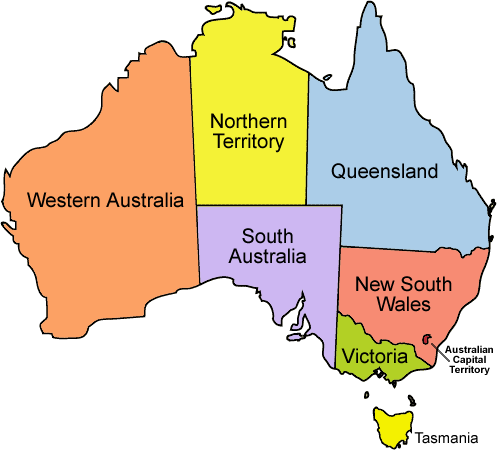
New South Wales
- For fixed-term agreements of two years or more, rent can only be increased once every twelve months with a minimum of 60 days’ notice.
- For fixed-term agreements less than two years, rent can only be increased during the fixed term if specified in the agreement.
- For periodic agreements, rent can only be increased once every twelve months with 60 days’ notice.
- Landlords cannot increase rent during the first six months of tenancy.
- Tenants can appeal to the NSW Civil and Administrative Tribunal (NCAT) if they believe the increase is excessive.
Victoria
https://www5.austlii.edu.au/au/legis/vic/consol_act/rta1997207/
- Rent can only be increased if specified in the lease agreement, with at least 60 days’ notice.
- The increase must be based on terms outlined in the lease.
- Tenants can dispute excessive increases through the Victorian Civil and Administrative Tribunal (VCAT).
Queensland
http://www8.austlii.edu.au/cgi-bin/viewdb/au/legis/qld/consol_act/rtaraa2008420/
- Rent can only be increased if specified in the lease agreement, with at least 60 days’ notice.
- From July 1, 2023, rent can only be increased if at least 12 months have passed since the current amount became payable.
- Tenants can challenge excessive increases through the Queensland Civil and Administrative Tribunal (QCAT).
Western Australia
https://www.legislation.wa.gov.au/legislation/statutes.nsf/law_a693.html
- Rent can only be increased if specified in the lease agreement, with at least 60 days’ notice.
- Increases can only take effect after six months.
- Tenants can contest increases through the Magistrates Court.
Add your content here
South Australia
https://www.legislation.sa.gov.au/lz?path=%2FC%2FA%2FRESIDENTIAL%20TENANCIES%20ACT%201995
- Rent can only be increased if specified in the lease agreement, with at least 60 days’ notice.
- Rent can only be increased once every 12 months.
- Tenants can apply to the South Australian Civil & Administrative Tribunal (SACAT) if they feel the increase is excessive.

Australian Capital Territory (ACT)
https://www.legislation.act.gov.au/a/1997-84/
- Rent can only be increased if specified in the lease agreement, with at least eight weeks’ notice.
- Increases can only occur once every 12 months.
- Tenants can seek review through the ACT Civil and Administrative Tribunal (ACAT).
Tasmania
https://www.legislation.tas.gov.au/view/html/inforce/current/act-1997-082
- Rent can only be increased if specified in the lease agreement, with at least 60 days’ notice.
- Rent can only be increased at least 12 months after the tenancy begins.
- Tenants can challenge excessive increases through the Residential Tenancy Commissioner (RTC).
Northern Territory
https://legislation.nt.gov.au/en/Legislation/RESIDENTIAL-TENANCIES-ACT-1999
- Rent can only be increased with 30 days’ notice, at least six months after the beginning of the tenancy.
- Subsequent increases can only occur once every six months.
Tenants can refer to the rental agreement for specific terms regarding increases